

27 Oct Air Freight vs Sea Freight
Choosing the Right Solution for Your Cargo
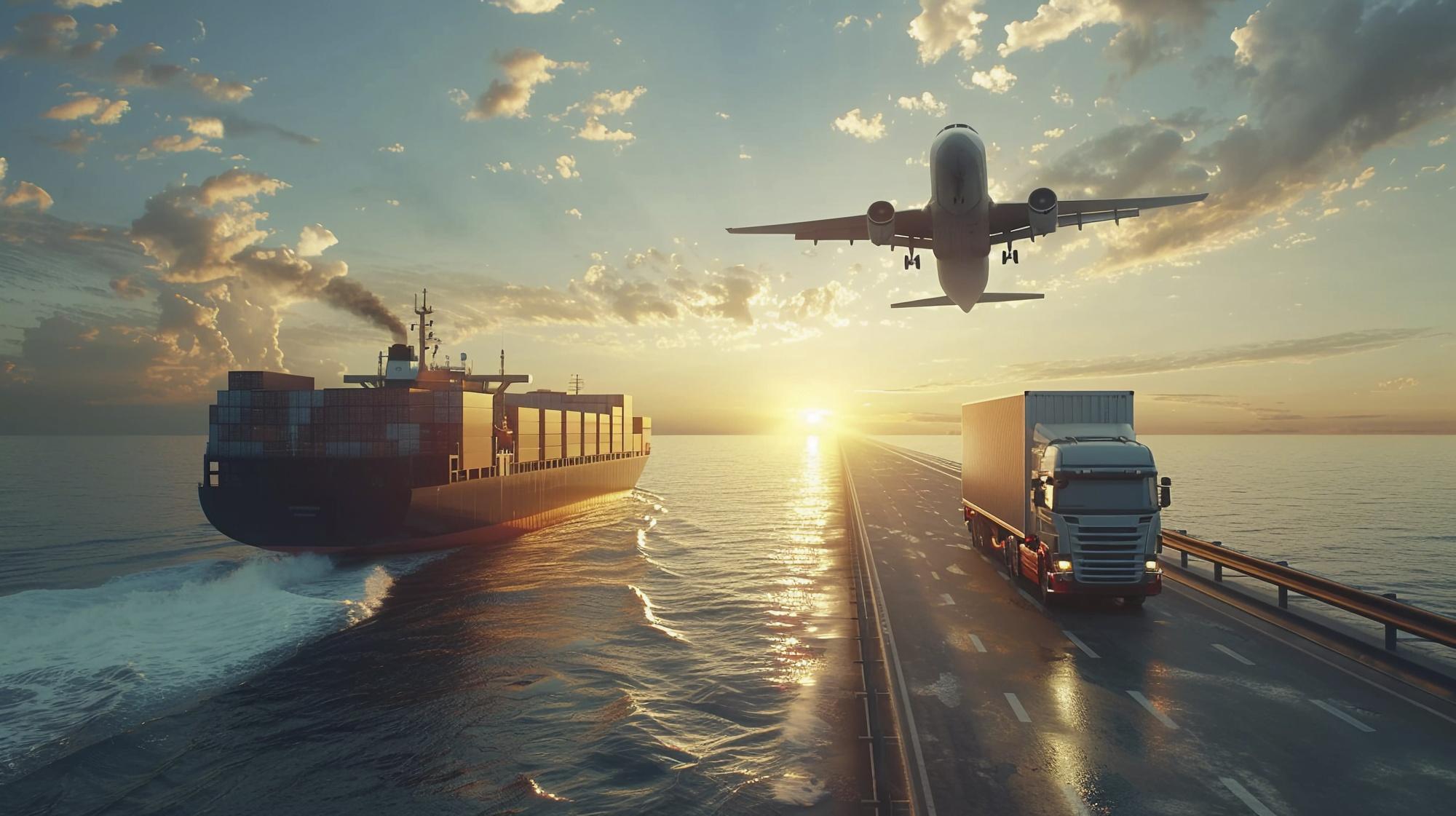
Selecting the correct transportation method is one of the most important decisions in international logistics. The choice between air freight and sea freight depends on factors such as urgency, cargo type, budget, and supply chain priorities.
Air freight is ideal for time-sensitive shipments, high-value products, medical supplies, and perishable goods. Its greatest advantage is speed. Businesses that rely on fast inventory turnover often prefer air transport despite higher transportation costs.
Sea freight, on the other hand, remains the most cost-effective solution for large-volume cargo and long-distance international trade. Full Container Load (FCL) and Less than Container Load (LCL) services allow businesses to optimize transportation expenses while maintaining flexibility.
Temperature-controlled cargo can be safely transported through both methods when managed under proper cold-chain standards. Dangerous goods also require strict international compliance procedures regardless of the transportation mode selected.
In recent years, many companies have adopted hybrid logistics strategies that combine air and sea freight to balance cost efficiency and delivery speed. This approach offers greater flexibility in today’s rapidly changing global market.
The most effective logistics solution is not always the fastest or the cheapest — it is the one that aligns perfectly with operational goals and customer expectations.
Sorry, the comment form is closed at this time.