

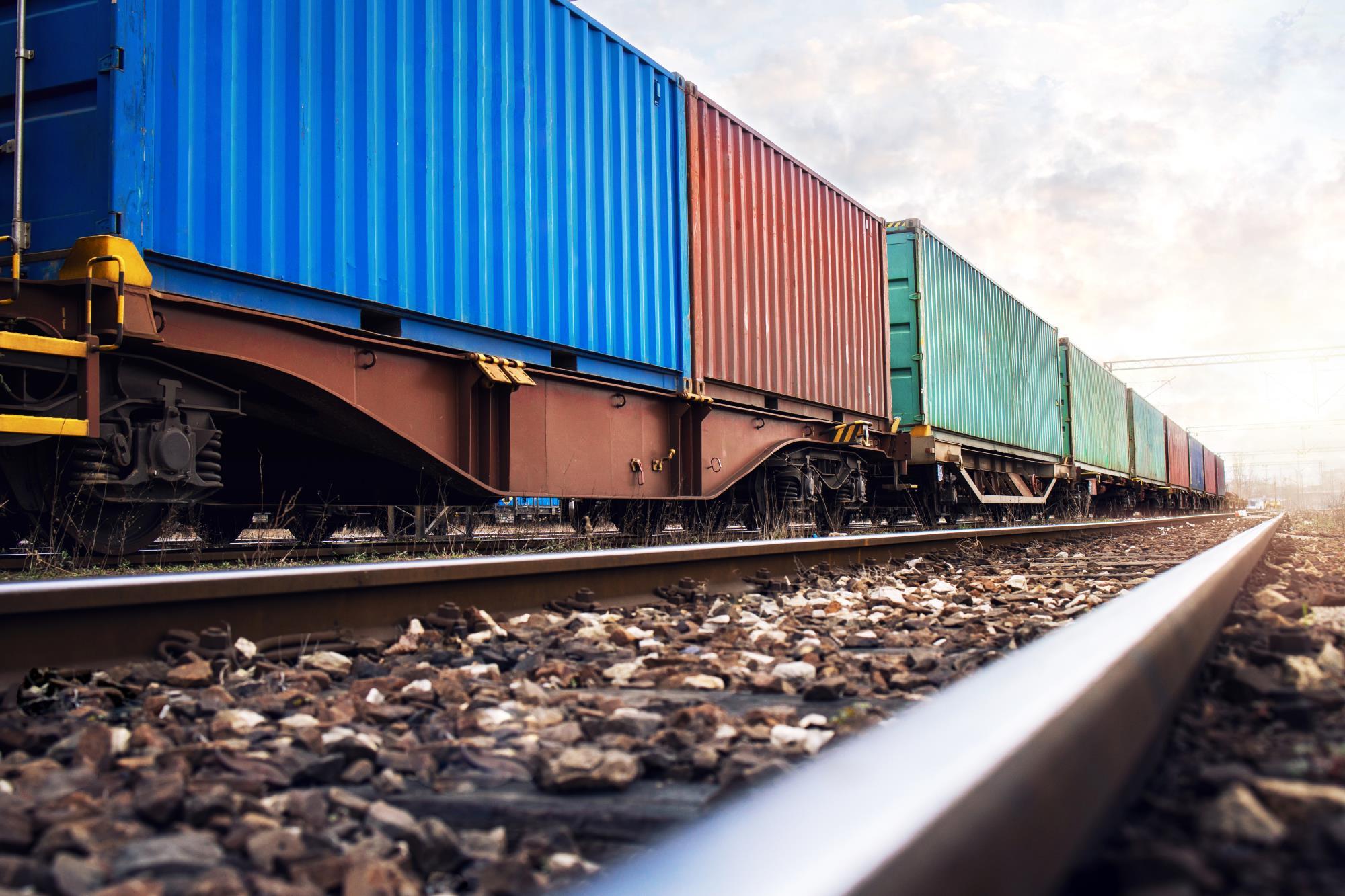
15 Jan The Growing Importance of Rail Freight in International Trade
Rail freight is rapidly becoming one of the most strategic transportation solutions in modern logistics. As global supply chains seek greater stability, cost efficiency, and sustainability, rail transport is gaining renewed importance across major international trade corridors.
Compared to air freight, rail transport offers significantly lower transportation costs for medium and large-volume cargo. Compared to sea freight, it provides shorter transit times on many regional and continental routes. This balance makes rail freight an increasingly attractive option for businesses seeking both speed and operational efficiency.
Rail transportation also offers environmental advantages. Lower carbon emissions and reduced fuel dependency align with the growing sustainability goals of international companies and manufacturers.
Temperature-controlled cargo, industrial equipment, raw materials, and containerized shipments can all be transported efficiently through modern rail networks. Advanced monitoring systems and integrated multimodal connections now allow rail freight to operate seamlessly alongside ports, warehouses, and trucking operations.
As international trade continues to evolve, rail freight is no longer viewed as an alternative transportation method. It is becoming a central component of resilient and future-focused supply chain strategies.
For businesses looking beyond short-term logistics solutions, rail freight represents long-term operational intelligence.
Sorry, the comment form is closed at this time.